
What's Up Doc?
Dr. Chippy- What happens when a physician looks beyond protocols and procedures and begins to ask not just what is wrong, but why we are hurting in the first place?

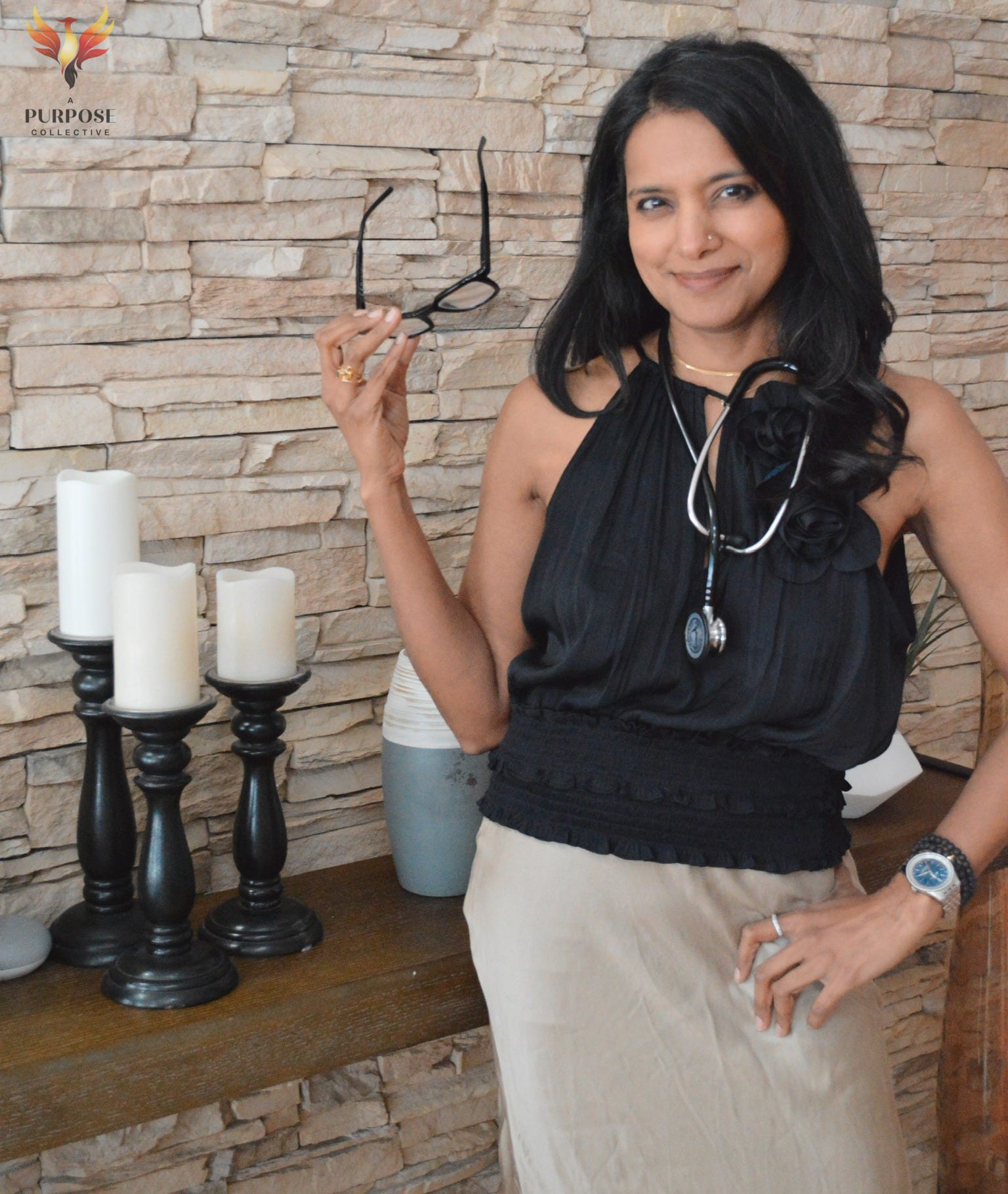
In a world where healthcare often moves faster than the human heart can keep up, this conversation invites us to slow down and listen more deeply. What happens when a physician looks beyond protocols and procedures and begins to ask not just what is wrong, but why we are hurting in the first place?
In this dialogue, we explore the evolution of a cardiologist whose understanding of healing expanded from anatomy and algorithms into connection, compassion, and the lived experience of the patient. This is a story about science meeting soul, about medicine that doesn’t abandon evidence but is brave enough to include humanity. It’s a reminder that true healing happens not in isolation, but at the intersection of biology, behavior, and belonging.
What made you choose this specialty—and was there a defining moment when you knew, “This is it”?
I chose cardiology because I was fascinated by the mechanics of the heart—the precision, the physiology, the way electrical, mechanical, and vascular systems integrate seamlessly. But over time, the heart became more than a vital organ that sustains life. It represented connection, love, resilience, and vulnerability. I became deeply interested not just in heart disease, but in what creates “broken hearts” in the first place—and what truly helps a person heal. There wasn’t one single moment, but rather a growing realization that cardiology allowed me to work at the intersection of biology and spirituality.
How has your view of health and healing changed from when you first started practicing to now?
Early in my career, I believed good medical care meant making the correct diagnosis, following evidence-based guidelines, and prescribing medications based on randomized controlled trials and/or surgical interventions. That framework is still important—but I now see it as an incomplete answer. Over years of rushed visits and limited time with my patients, I realized that many chronic conditions are downstream effects of lived experiences: trauma, environment, chronic stress, sleep deprivation, nutrition patterns, and disconnection. Healing, I’ve learned, requires understanding the depth of a person’s life as much as their lab values.
What are 3 lifestyle habits you personally prioritize to protect your own health and longevity?
I prioritize meaningful human connection, because relationships profoundly shape stress physiology and resilience. I protect my sleep, knowing it is foundational to metabolic, cardiovascular, and emotional health. And I focus on a high-fiber, phytonutrient-dense diet while actively rebuilding my cardiovascular fitness and strength—because movement is not optional if we want longevity with vitality.
When a patient is overwhelmed and doesn’t know where to start, what’s the first small change you usually recommend?
I emphasize small, sustainable steps. Not overhauls. One habit. One tiny action. Something achievable that can be repeated until it becomes automatic. Whether it’s a five-minute walk, adding fiber to one meal, or a consistent bedtime, momentum matters more than intensity. I often reference behavioral science books such as Atomic Habits by James Clear or Tiny Habits by BJ Fogg to either start or stop a behavior and move towards sustainable and consistent actions that frame health and wellness.
In your opinion, what’s one thing people think matters for their health that actually doesn’t matter as much—and one thing they underestimate that matters a lot?
People often overestimate the role of genetics in determining their health outcomes. While genetics matter for certain conditions, most modern chronic diseases are primarily driven by lifestyle and environment. What people consistently underestimate is the cumulative impact of daily stress, poor sleep, and disconnection. These are not “soft” variables—they directly influence inflammation, metabolism, autonomic balance, and cardiovascular risk.
How do you bring nutrition, movement, sleep, and stress management into your everyday work with patients?
I integrate these pillars as the foundation, not the afterthought. Rather than overwhelming patients with recommendations, I help them understand why each area matters and then personalize the approach. The goal is not perfection, but alignment—finding realistic strategies that fit into their actual lives and addressing barriers compassionately rather than judgmentally.
Can you share a story (without details) of a patient who made a powerful lifestyle shift—and what changed for them?
I’ve seen countless patients make modest, intentional changes—improving sleep, walking consistently, changing how they eat—and return with more energy, better mobility, improved blood pressure and lipid profiles, and a renewed sense of agency. What strikes me most is not just the biomarker improvement, but the joy and confidence that emerge when people realize their bodies can heal when supported properly.
What is one myth in your field you wish would disappear forever?
That procedures, surgeries, and medications are the primary—or only—ways to address chronic disease. These tools are invaluable when needed, but they should not replace understanding the person, their environment, and the behaviors that created the disease process in the first place.
If you could give every person listening a simple “prescription for daily life” that doesn’t involve medication, what would it include?
Find one daily practice that grounds you—gratitude, stillness, movement, or reflection—and protect it fiercely. Choose one action each day that honors your health, even if it feels small. Over time, these moments accumulate into meaningful change.
What are you personally curious about or learning right now in the world of health and wellness—and why does it excite you? I’m deeply curious about the mind-body connection—how thoughts, emotions, gratitude, and love translate into measurable physiological change. I want to better understand the energetic dimensions of health and how they interact with the physical body. This excites me because it bridges science with humanity and opens new possibilities for healing that feel both ancient and urgently relevant.
Taken together, this narrative doesn’t reject medicine—it completes it. It shows a seasoned physician evolving toward a more humane, effective, and sustainable model of care.
At its core, this conversation reminds us that healing is not a destination, but a relationship we build with ourselves over time. It’s found in the small, repeated choices we make each day, in the way we rest, move, nourish, and connect.
This perspective doesn’t dismiss modern medicine, it honors it by expanding its reach. It invites us to see health not as something prescribed, but something cultivated. And perhaps most importantly, it offers hope. Hope that even in a system that often feels rushed and fragmented, there is room for care that is personal, grounded, and deeply human.
If this conversation resonated with you, let it serve as a gentle nudge. One small step. One intentional choice. One moment of care today that supports the life you want to live tomorrow.
Love this!
It totally makes a lot of sense…